
Phones Without Chargers: What You Actually Lose (and Gain)
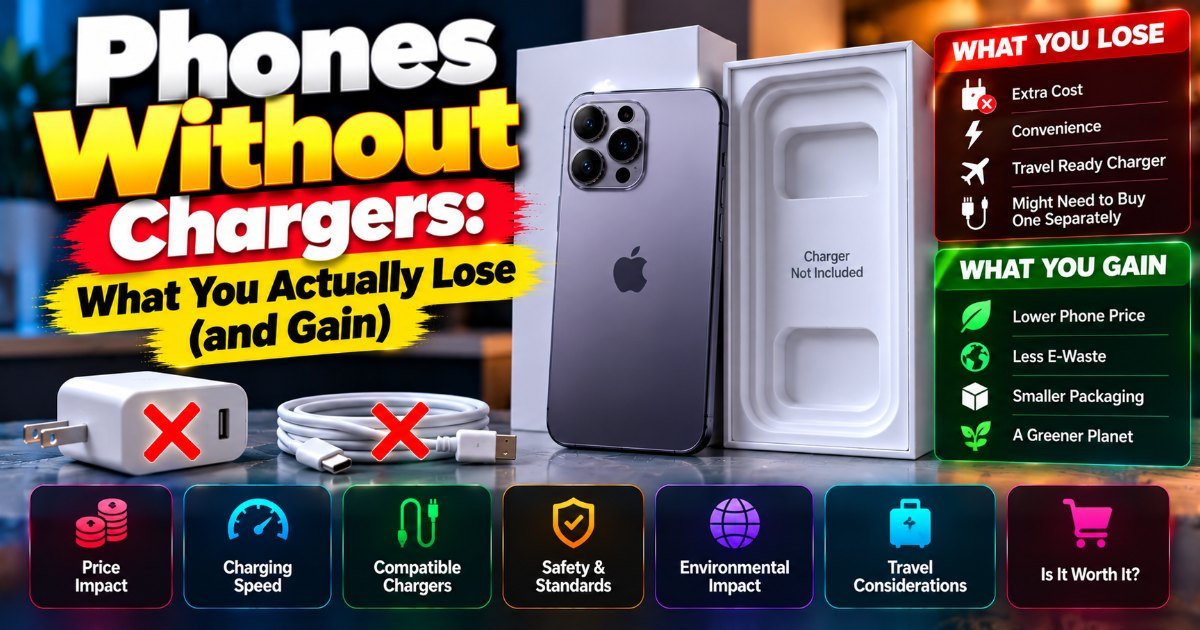
You unbox a new phone, peel the plastic, and reach for the charger. It's not there. Again. This is the reality of phones without chargers in 2026 — it's been the norm since around 2020, but it still catches you off guard the first time.
The short version: Apple started it with the iPhone 12 in October 2020, and Samsung followed with the Galaxy S21 in early 2021. Google, OnePlus, Xiaomi, and Motorola all jumped on board. The stated reason was always the same — environmental impact — but the unstated one was just as obvious: it saves money.
Let me be honest about where I land. The environmental argument isn't nonsense. Apple said removing the charger and EarPods from every iPhone 12 saved them over 2 million metric tons of CO₂ by their own accounting, mostly because smaller boxes mean more phones per shipping pallet. That part checks out. But the "you probably already own a charger" part? That's where it gets shaky. Not everyone has a spare USB-C brick sitting around.
How phones without chargers became the norm
It started with Apple, and the timing wasn't accidental. The iPhone 12 shipped in October 2020 with a Lightning-to-USB-C cable in the box and nothing else. Apple's official line was that 80% of its carbon footprint came from manufacturing, so cutting accessories was the fastest way to shrink the footprint of each device. The move also let Apple keep the iPhone 12's price at $799 without cutting features.
Samsung copied the playbook eight months later. The Galaxy S21 series in January 2021 dropped the charger and earphones. Samsung framed it as an eco move, but it also helped offset the cost of 5G components. Google had already removed chargers with the Pixel 4a in 2020 and kept that policy through the Pixel 9. OnePlus, Xiaomi, Motorola, and most Chinese OEMs followed within a year or two. By 2022, "no charger in box" was the industry default, not the exception.
Why companies say no to the charger
There are really three motives, and only one of them is green.
First, the green one. Smaller boxes, less packaging, fewer accessories to manufacture and ship. Apple claims this avoided 2 million metric tons of CO₂ emissions through 2022. Samsung said the same thing for the S21. These numbers are self-reported, so take them with a grain of salt, but the logic holds: less stuff to make and haul = less carbon.
Second, the cost one. A decent 25W USB-C charger costs a company maybe $8–12 to manufacture and source. Multiply that by tens of millions of units. Removing it lets them absorb other price increases, or just keep margins fat. When Samsung kept the charger in some mid-range A-series phones
How did this story feel?
Be the first to react
Written by
TechPulse Team
The TechPulse editorial team publishes clear, practical technology guides. Every article is original and written to be understood — not just skimmed.
Comments (0)
No comments yet — start the conversation!
Keep reading
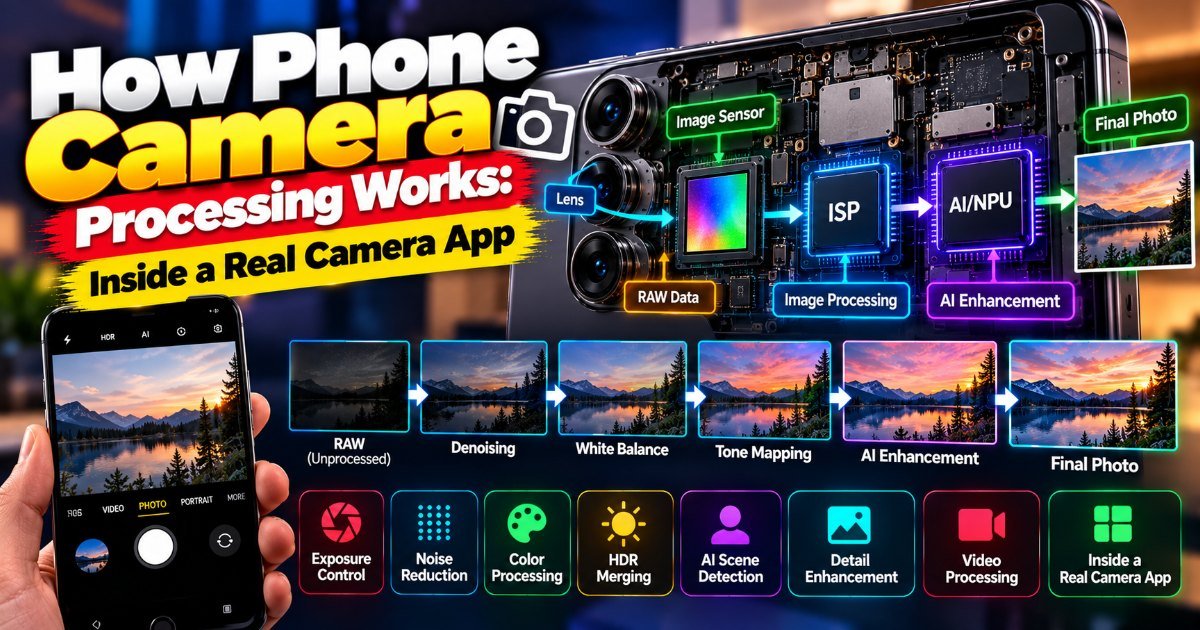
How Phone Camera Processing Works: Inside a Real Camera App
You're at a concert. The stage lights are a mess — deep blues, harsh reds, and the singer's face lost in shadow. You raise your phone, and the screen shows…
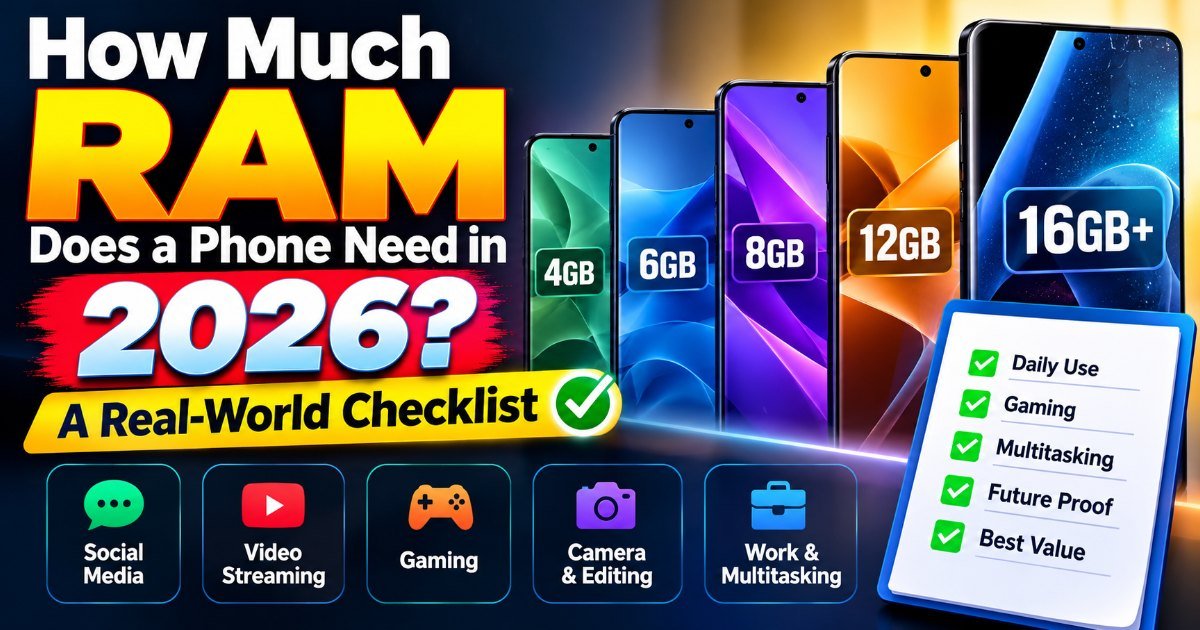
How Much RAM Does a Phone Really Need?
You're on the 7:15 train, juggling three apps at once — Slack pings, your calendar reminder pops, and you're drafting an email. Your phone stutters. Again. So…
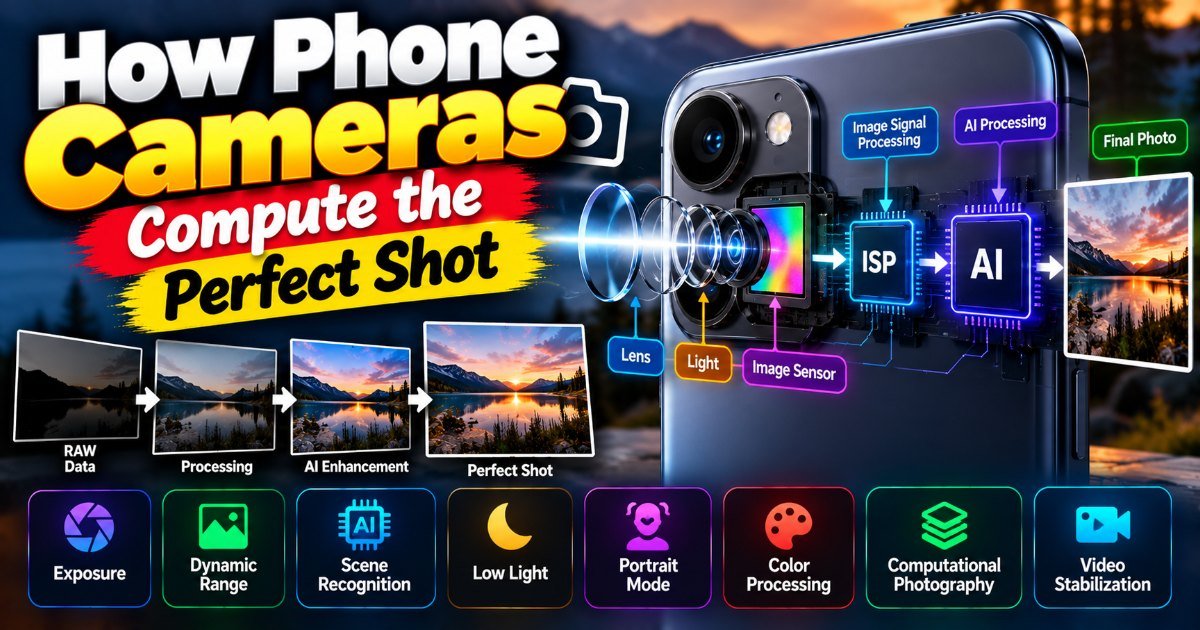
How Phone Cameras Compute the Perfect Shot
Ever wonder how your phone camera captures those perfect shots? We break down the computational photography behind night mode, portrait mode, and HDR.