
Smartphone Shipments Plunge 20% While Apple Stays Steady

The global smartphone market just coughed up some genuinely sobering numbers, and if you're in the market for a new phone right now, you're standing in the middle of a pretty interesting moment. Smartphone shipments dropped roughly a fifth year-over-year in the third quarter, yet Apple didn't flinch. That gap between a shrinking pie and one company holding its ground tells you more about where the industry is heading than any single flagship launch ever could.
What the Smartphone Shipments Picture Shows
A 20% drop in shipments isn't a dip — it's a statement. We're talking about one in every five phones that would have shipped last year simply not existing this year. That kind of contraction ripples through the entire supply chain: fewer panels being ordered, fewer chips manufactured, fewer retail boxes stacked on shelves. Yet Apple's numbers held steady, which in this environment means something close to a market-share victory by default.
The most likely explanation is straightforward: when the overall market shrinks, the players with the strongest brand pull and the most loyal customer bases don't lose as much. Apple has spent more than a decade building an ecosystem that makes switching expensive and staying expensive — and that turns out to be a real competitive advantage when consumers start tightening their belts. (If you've ever tried to leave AirPods, iCloud, and a year of photos behind, you know exactly what I mean.)
Why This Touches Your Wallet
Here's the part that matters beyond the business-page headlines. When shipments fall this hard, the companies that are bleeding respond the way companies respond: they cut prices, they bundle extras, they run promotions they swore they'd never run. If you're shopping now, that's actually good news — you may find a premium Android device discounted more aggressively than it would have been in a healthier market.
But there's a flip side. Aggressive discounting often means manufacturers are trimming margins on components, or pushing older stock, or being cagey about long-term software support to save money. The bargain you grab today might come with a shorter support window than you expected. Read the fine print on updates, not just the sticker price.
Apple holding steady also signals something about pricing power. When a company can keep selling at full price while the market collapses around it, it's either because its customers are wealthier, more loyal, or both. That has a knock-on effect on resale values too — iPhones have historically held value better than most competitors, and a shrinking market tends to exaggerate that gap.
How We Got Here
This isn't a sudden shock. The smartphone market has been maturing — some would say stagnating — for years. The average person now keeps a phone for three to four years, sometimes longer. The yearly "new iPhone" or "new Galaxy" cycle has become an exercise in marginal gains: a slightly better camera, a slightly faster chip, a slightly prettier finish. When upgrades feel incremental, people stop upgrading.
Add in economic pressure, and you get exactly this kind of numbers. Consumers are being selective. They're keeping the device that works, repairing the one that broke instead of replacing it, and treating a $1,000 phone as a multi-year investment rather than an annual refresh. The 20% plunge is the market finally catching up to that behavior.
What to Watch Next
If you're weighing whether to buy now or wait, the next few months are worth paying attention to. A contracting market usually accelerates innovation cycles, because companies can't grow by volume anymore — they have to grow by winning over the other guy's customers. That means the next wave of flagships may lean harder into the features that actually differentiate: camera systems that work in low light, battery life that lasts a real day, and — the big one — on-device AI that does something you can't do on a four-year-old phone.
Foldables are another area to watch. They're still expensive and still imperfect, but in a market where everyone is fighting for share, the flexible-display category is where the most experimental thinking is happening. If prices finally come down closer to mainstream, that could reshape the upgrade timeline for a lot of people.
And for Apple specifically, the question is whether "holding steady" turns into "gaining share" over the next quarter or two. Steady in a shrinking market is good. Steady while everyone else is falling off a cliff is better. But the real test is what happens when the market eventually turns back up — does Apple lead the recovery, or just keep treading water?
Key Takeaways
- A 20% shipment drop means roughly one in five phones from last year isn't being replaced this year — a sign of a market in real contraction, not just a seasonal blip.
- Apple holding steady while the market shrinks is effectively a market-share gain, driven by ecosystem lock-in and brand loyalty that hold up better than price cuts.
- If you're shopping now, expect more promotions and bundles, but check software-support promises carefully — cost-cutting can show up where you don't see it.
- Longer upgrade cycles (three to four years, sometimes more) are a major driver of the slowdown, and they're not going anywhere.
- A shrinking market usually forces companies to innovate harder, so the next generation of phones may finally deliver features worth waiting for.
Frequently Asked Questions
Why are global smartphone shipments falling so sharply? The drop reflects a combination of market saturation, consumers keeping phones longer (often three to four years), and economic pressure making people more selective about big purchases. When upgrades feel incremental, people simply don't replace their devices as often.
How is Apple managing to hold steady while others lose ground? Apple's strength is its ecosystem — the combination of iCloud, AirPods, the App Store, and services that make switching to another brand genuinely inconvenient. In a downturn, that loyalty acts like a buffer. Apple's customers also skew toward spending on technology as a category, which helps them keep buying even when the broader market pulls back.
Should I buy a new smartphone now or wait? If your current phone works, waiting is the rational move — the next wave of devices is likely to be more differentiated, and prices may soften as competition intensifies. If you need to replace a broken or dying device, take advantage of the promotional environment, but verify the manufacturer's software-update commitments before you commit to a bargain.
How did this story feel?
Be the first to react
Written by
TechPulse Team
The TechPulse editorial team publishes clear, practical technology guides. Every article is original and written to be understood — not just skimmed.
Comments (0)
No comments yet — start the conversation!
Keep reading
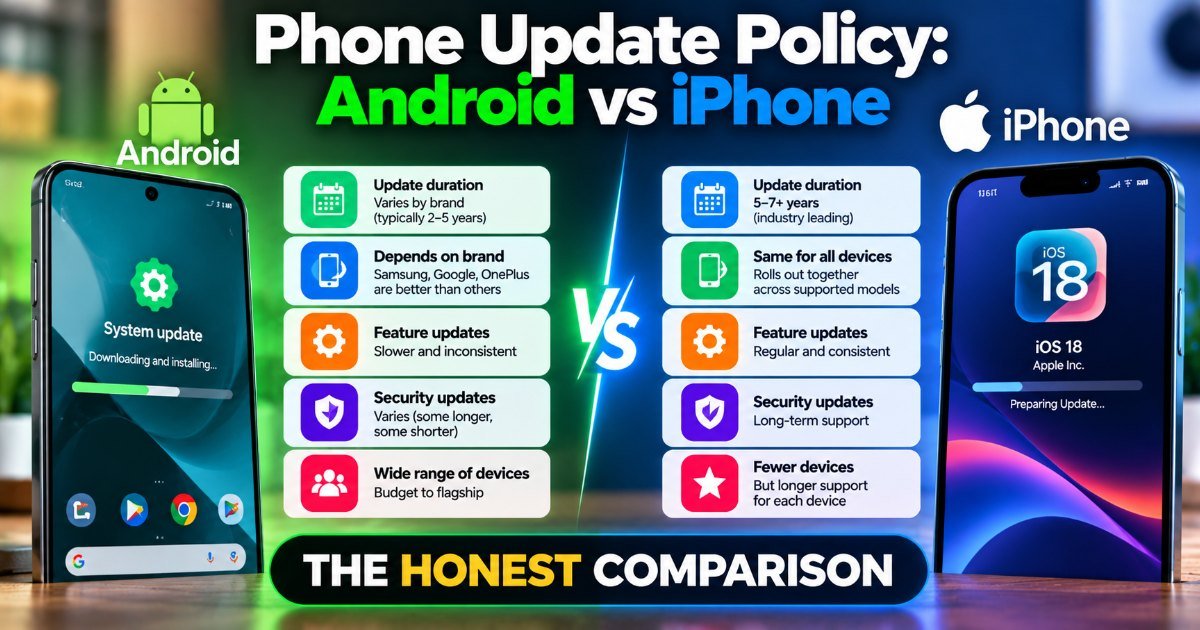
Phone Update Policy: Android vs iPhone — The Honest Comparison
How long does your phone actually get updates? Android vs iPhone compared honestly — update lengths, real-world testing, and what to expect before you buy.
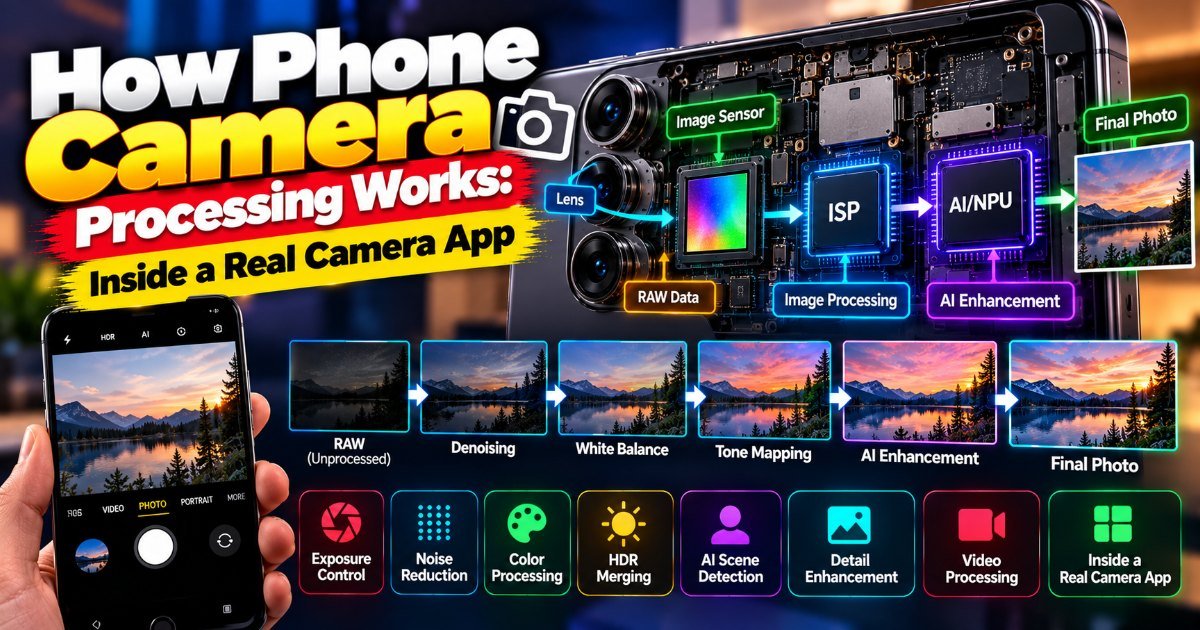
How Phone Camera Processing Works: Inside a Real Camera App
You're at a concert. The stage lights are a mess — deep blues, harsh reds, and the singer's face lost in shadow. You raise your phone, and the screen shows…
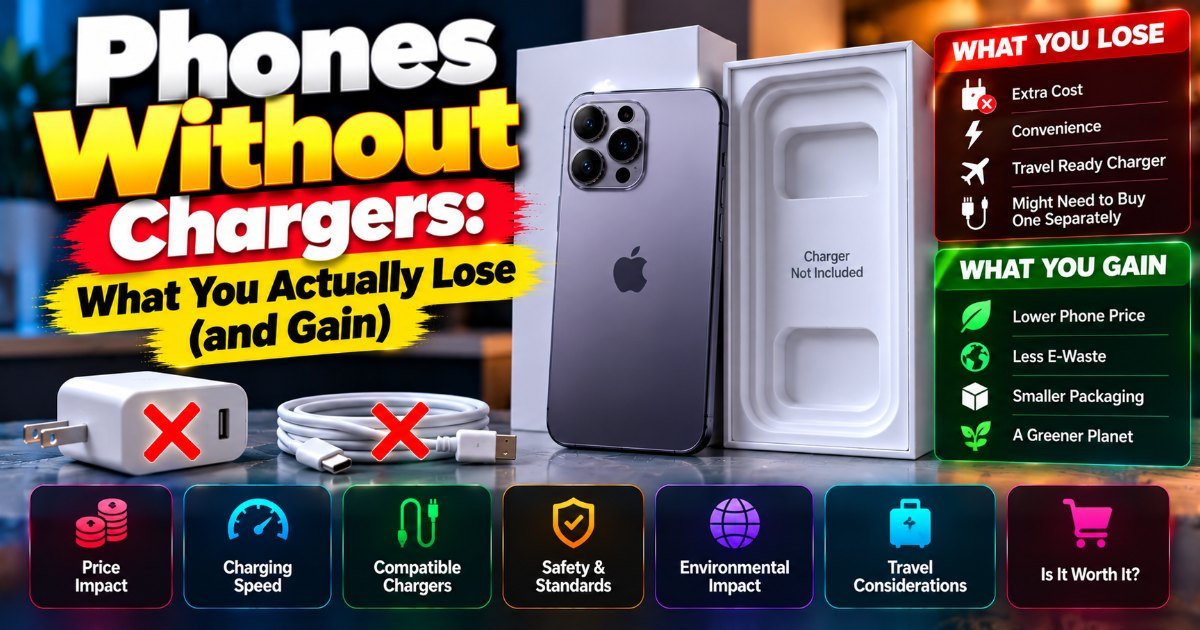
Phones Without Chargers: What You Actually Lose (and Gain)
You unbox a new phone, peel the plastic, and reach for the charger. It's not there. Again. This is the reality of phones without chargers in 2026 — it's been…